
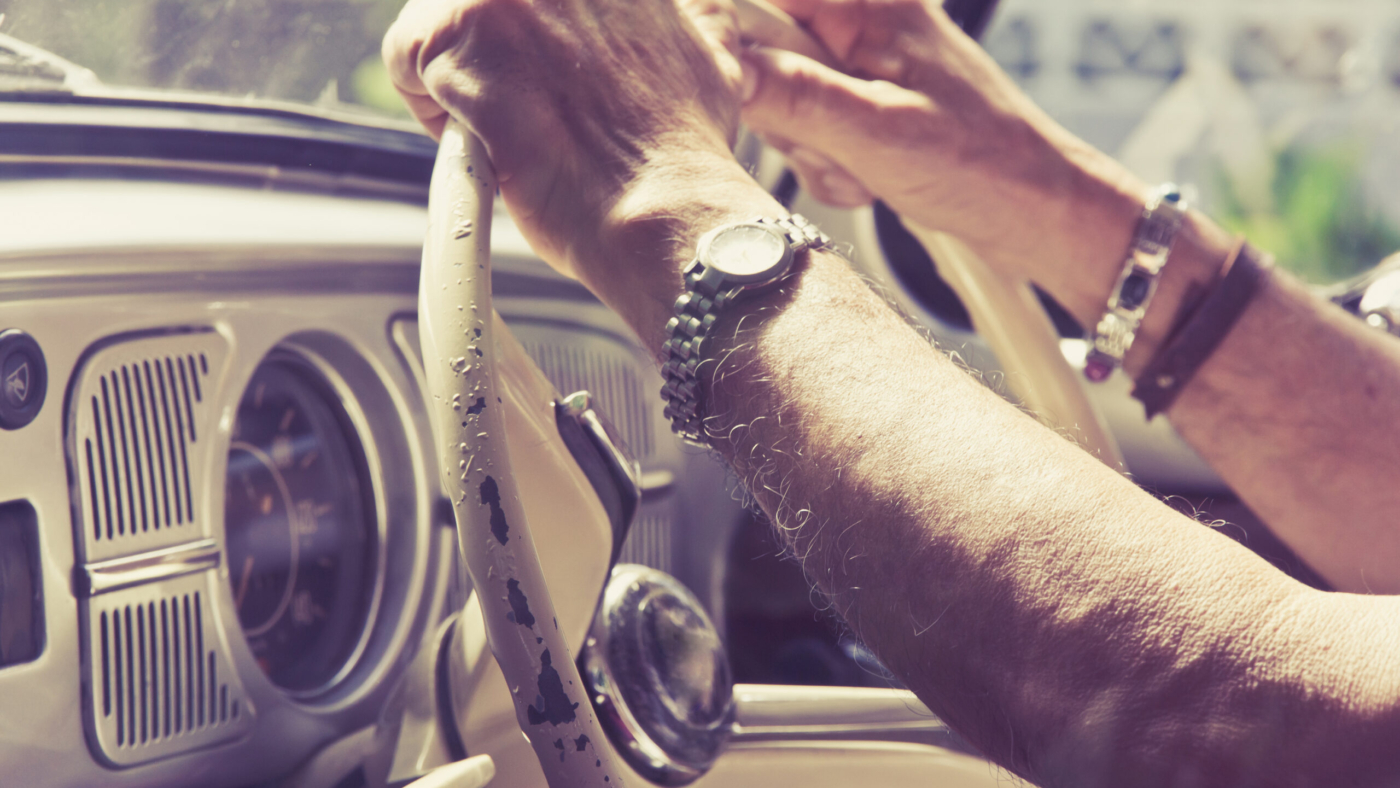
Owning a classic car often begins as a dream — a vision of cruising down scenic roads, turning heads, and owning a piece of automotive history. However, as many seasoned collectors will tell you, the moment you get those keys in your hand, that dream quickly transforms into something far more complex. What starts as pure excitement can soon evolve into the bittersweet realization that classic car ownership isn’t just about admiration — it’s about managing the many unexpected challenges that come with it.
The Hidden Costs of Ownership
Classic cars are undeniably beautiful, timeless machines that capture the spirit of another era. But beneath those polished exteriors often lie hidden and expensive problems. What appears to be a pristine, well-maintained vintage car can conceal mechanical troubles waiting to surface. Once you bring it home, the shine may fade as you uncover engine issues, transmission quirks, or hidden rust in hard-to-reach areas. Before long, your prized possession can turn into a financial burden — draining both your wallet and your enthusiasm.
The Endless Maintenance Cycle
Maintaining a classic car goes far beyond an occasional oil change. These vehicles demand constant care and attention — often far more than any modern car would require. Finding replacement parts can be a challenge, and when you do locate them, the prices can be staggering. Even more, it’s not always easy to find a mechanic who truly understands the unique quirks and engineering of older cars. What was once an exciting investment can quickly start to feel like a demanding relationship that constantly requires more time, money, and patience than expected.
The Romanticized Driving Experience
There’s no denying the nostalgic appeal of driving a classic car. The idea of sitting behind the wheel of history can be thrilling. However, that charm can wear off quickly when reality sets in. Many classic vehicles come with manual transmissions, stiff steering, and few modern conveniences like air conditioning, power brakes, or smooth suspension. What initially feels like a charming, authentic experience can soon become physically tiring and uncomfortable — especially for those accustomed to the ease and comfort of modern cars. The dream of effortless cruising in style can easily turn into a test of endurance.
The Challenge of Preservation
Classic cars are delicate pieces of history that require careful preservation. Regular use exposes them to wear and tear, while improper storage can accelerate rust, corrosion, and other costly damage. Without proper conditions — such as a climate-controlled environment and regular upkeep — your cherished car can quickly deteriorate. What was supposed to be an enjoyable hobby can become an ongoing responsibility, making you question whether the satisfaction of ownership truly outweighs the effort required to maintain it.
When the Dream Begins to Fade
The initial excitement of owning a classic car often fades as the reality of maintenance, expenses, and constant upkeep sets in. Between sourcing rare parts, paying for costly repairs, and missing out on modern comforts, the fantasy can quickly become overwhelming. The car that once symbolized freedom and nostalgia may start to feel more like a financial and emotional burden.
In the end, the romantic idea of owning a classic car often remains just that — a dream. While the vision of gliding down the open road in a beautifully restored vehicle is undeniably appealing, the reality involves patience, commitment, and significant expense. For many, what starts as a lifelong aspiration can turn into a demanding hobby that’s as challenging as it is rewarding.
Classic car ownership isn’t for the faint of heart — it requires passion, dedication, and a willingness to embrace the imperfections that come with preserving history on wheels.