
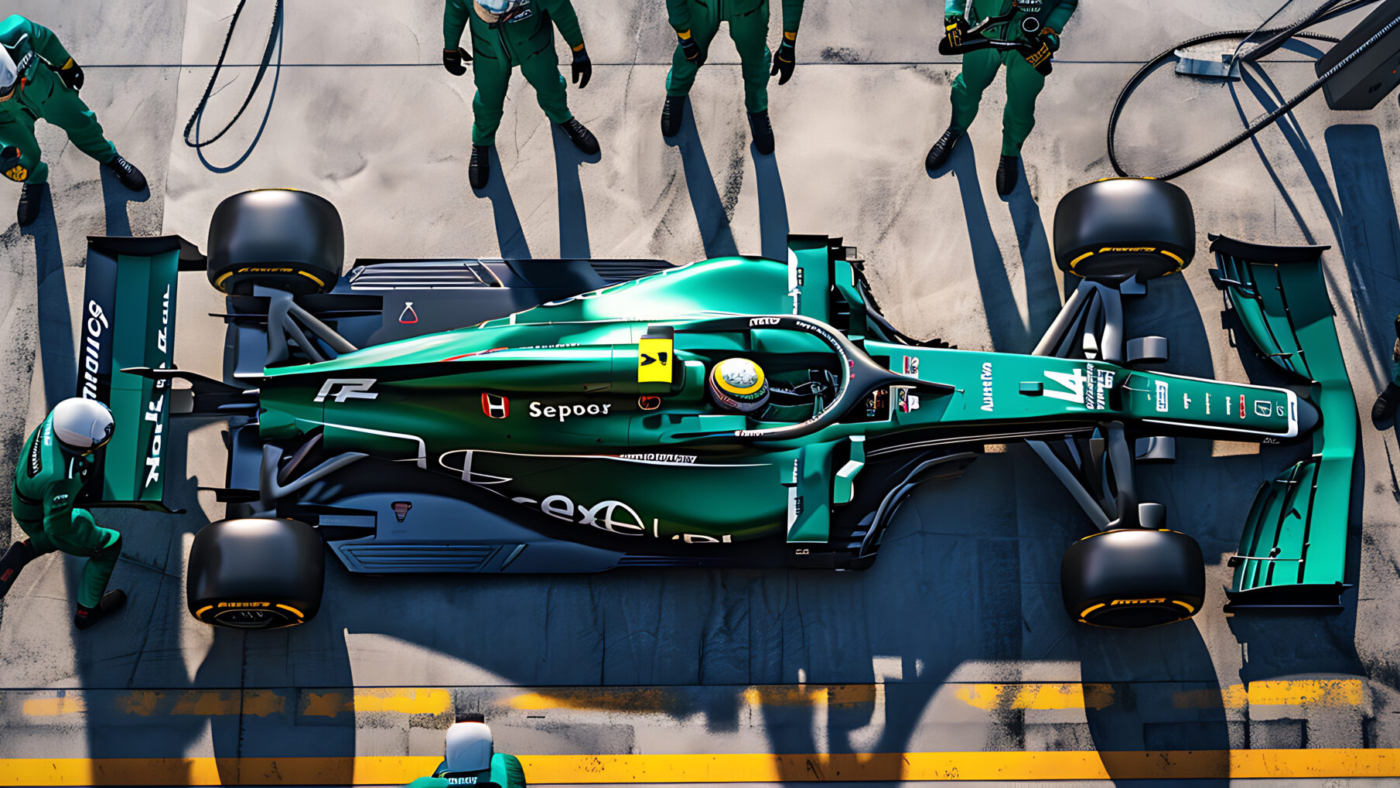
NASCAR is steering into an exciting and uncharted chapter in motorsports with the prospect of an all-electric racing series. Recently, the organization unveiled a prototype electric SUV designed specifically for the track—but the innovation goes far beyond a new powertrain or futuristic body design. What truly sets this vehicle apart is the use of sustainable, cutting-edge materials that could redefine the way racing vehicles are engineered and built.
At the heart of this innovation is the SUV’s bodywork, developed in collaboration with Swiss materials specialist Bcomp. They introduced a revolutionary flax-based composite, offering a sustainable alternative to the carbon fiber traditionally used in high-performance racing. Remarkably, this flax material reduces the carbon footprint of each component by approximately 85%, while still maintaining comparable levels of rigidity, strength, and durability. Sourced from flax plants grown without competing with food crops, this material offers an environmentally responsible solution that doesn’t compromise on performance.
The exceptional strength of this flax composite comes from its unique internal structure, inspired by the vascular networks found in leaves. This intricate, nature-driven design allows engineers to mold the material into shapes similar to carbon fiber or fiberglass, producing a lightweight, yet resilient body perfectly suited for the extreme demands of professional racing.
Sustainability has become a growing priority for NASCAR, with a goal to achieve net-zero carbon emissions by 2035. The integration of flax-based body panels may seem like a small step, but it represents a meaningful stride toward that ambitious target. The real revolution, however, lies in replacing traditional loud, fuel-intensive V-8 engines with electric powertrains capable of delivering both speed and efficiency.
The prototype electric SUV is far from ordinary. It features all-wheel drive powered by three six-phase electric motors—one at the front and two at the rear—producing over 1,300 horsepower. Its 78-kWh battery pack is paired with regenerative braking technology, enabling efficient energy recovery and a performance-optimized driving experience. Designed to handle everything from tight oval tracks to challenging road courses, this SUV demonstrates that electric vehicles can deliver the adrenaline and competitiveness fans expect from NASCAR, without the heavy environmental toll.
While its design might initially appear to be a radical departure from conventional NASCAR silhouettes, the SUV draws inspiration from the very electric vehicles car manufacturers are currently producing. Conceptually, it could easily be reimagined as recognizable consumer models, such as a Mustang Mach-E, a Blazer EV, or a bZ4X, allowing fans to connect with the technology on both the racetrack and in everyday life.
Though NASCAR has not yet announced an official timeline for when these electric race cars will debut, the vision is clear: the future of racing is not just fast—it’s cleaner, greener, and more sustainable. The fusion of high-performance engineering and environmentally conscious design signals a turning point in motorsports. With the adoption of electric powertrains and sustainable materials, NASCAR is poised to maintain the excitement and thrill of racing while dramatically reducing its ecological footprint.
This bold move could redefine what it means to be a racing series in the modern era, proving that sustainability and performance are not mutually exclusive. Fans may soon witness the roar of electric engines replacing traditional combustion sounds, and a greener, smarter approach to speed and innovation taking center stage. The next generation of NASCAR racing promises to be faster, cleaner, and more electrifying than ever before.